Why Your GBP Ranking Differs Between Mobile and Desktop
Your Google Business Profile can rank in the top three on a desktop and fall off the map on mobile, or vice versa. This isn't a glitch. Mobile and desktop searches pull different signals, and understanding the gap is the first step to closing it.
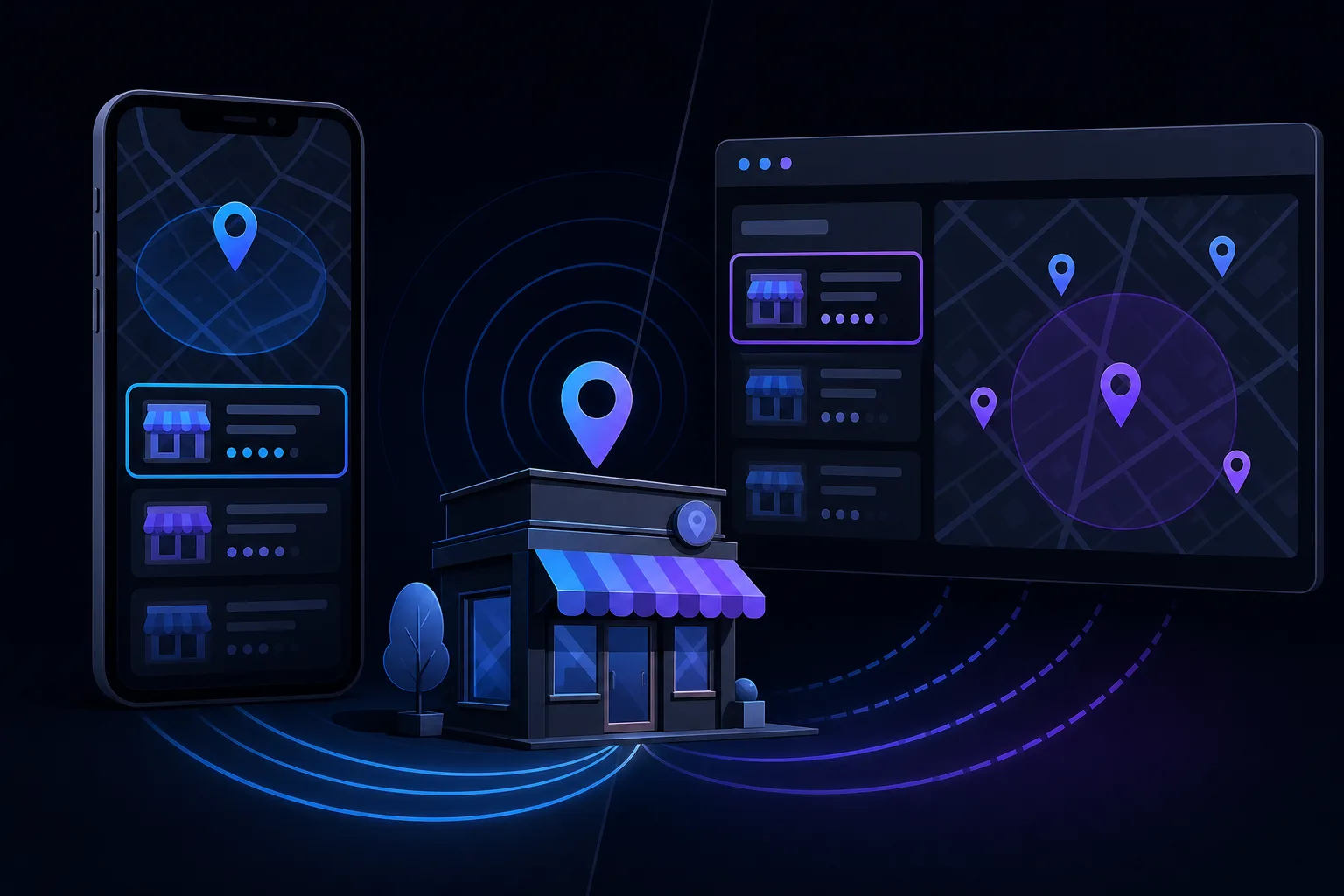
TL;DR: Google uses different ranking signals for mobile and desktop local searches. Device type affects proximity weighting, map pack behavior, and how Google interprets your business category and location. Most small businesses should optimize for mobile first, since that's where the majority of local searches happen.
What Happened
You run a rank-check tool, notice your plumbing company sits at position two in the local pack on desktop, then grab your phone and find you're at position six. Or the reverse. You haven't changed anything. Neither has your competitor. So why the different result?
It has been widely reported among SEO practitioners that mobile and desktop searches are processed differently. The mobile index has effectively been the primary index since Google completed its mobile-first indexing rollout, but that applies to organic results. Local pack rankings, meaning the map results that matter most for GBP, have their own layer of signals that behave differently by device.
A few specific mechanics drive this.
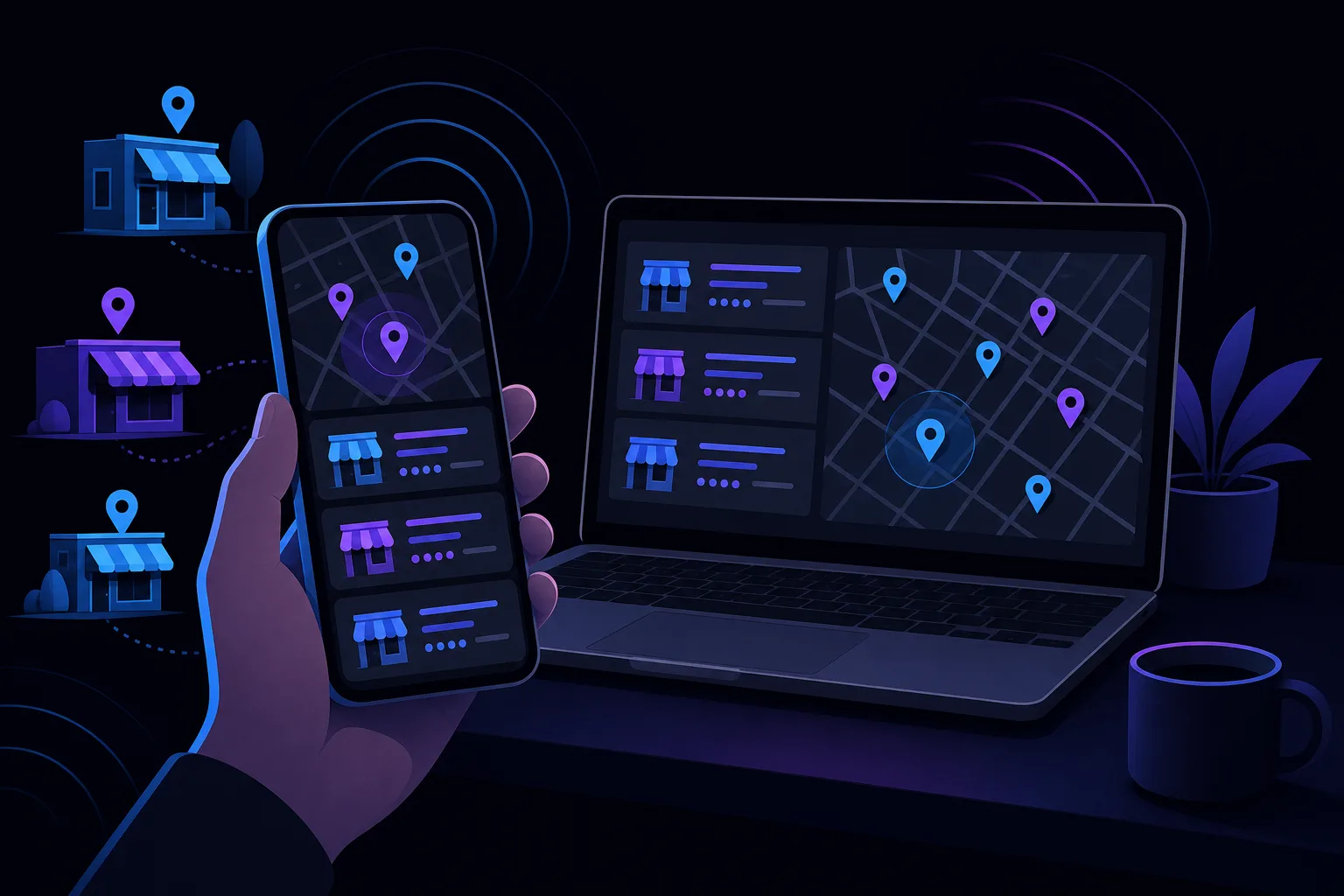
Proximity weighting is heavier on mobile. When someone searches "electrician near me" on a phone, Google knows their precise GPS location and weights nearness more aggressively. On desktop, Google uses the assumed location from IP address or the location the user typed. That assumed location is less precise, so other signals like review count, category match, and engagement data carry more relative weight.
The map viewport is smaller on mobile. The physical screen limits how many pins Google can usefully display. Google's algorithm is thought to factor in what's likely to appear useful given the device context. A business that is technically ranked fourth might display or not display depending on how the map renders on a given screen size, though how much this reflects ranking versus rendering is not publicly documented by Google.
User behavior signals differ by device. Click-through rates, direction requests, and call taps behave differently on mobile versus desktop. Google is believed to learn from those signals. A law office that gets lots of direction requests from mobile users in a specific neighborhood may build a mobile-specific engagement signal that doesn't exist in desktop data.
Why It Matters
For most local businesses, mobile is the game. Industry estimates suggest more than half of Google searches now happen on mobile devices, and local searches skew even higher. If your HVAC company ranks well on desktop but poorly on mobile, you are invisible to most of the people who are actively looking for you right now, probably from their driveway or a jobsite.
The gap also matters for measurement. If you're checking your own rankings from a desktop browser, you may be consistently misleading yourself about how visible you actually are to your customers. Most of your customers are searching on their phones.
There's also a practical competitive angle here. Your competitor might rank below you on desktop but dominate on mobile because they've done something you haven't: optimized for proximity-heavy mobile signals, built up direction-request engagement, or earned more reviews from a geographically tight cluster of customers.
For related context on how GBP ranking can shift unexpectedly, see why GBP ranking drops on weekends and why competitors rank in cities where they have no office.
Find out what your site is leaving on the table Get your free audit
What We Don't Know Yet
Google does not publish a breakdown of exactly how much more weight proximity gets on mobile versus desktop. The difference is observed by SEO practitioners and reported anecdotally across the industry, but the precise weighting formula is not public and Google has not officially published aggregate documentation confirming differential proximity weighting by device for local pack rankings.
It's also unclear how much the mobile-versus-desktop gap varies by industry. A restaurant near a tourist area may experience a much wider gap than an insurance agency whose customers search from home desktops. There's no authoritative published research isolating this by category.
Finally, voice search adds another variable. Voice queries on mobile pull local results differently than typed queries, and that behavior is still evolving.
What to Do About It
Here is a diagnostic sequence you can run yourself.
Step 1: Measure the actual gap. Use a tool that lets you check GBP rankings by device type and location. BrightLocal and Whitespark both support this. Check your three or four most important search terms on both device types from the same simulated location.
Step 2: Check your mobile landing experience. If someone clicks your GBP listing on mobile and lands on a slow or hard-to-navigate site, a slow site is widely believed to drive up bounce rates, which may over time influence engagement signals Google uses in local ranking, though this is not officially confirmed as a direct GBP ranking factor. Run your primary landing page through Google's PageSpeed Insights. A score below 50 on mobile is worth addressing, as Google's own documentation labels that range "Poor."
Step 3: Build proximity-relevant engagement. Encourage reviews from customers in the specific neighborhoods or zip codes where you want to rank. Some SEO practitioners believe a repair shop with 40 reviews from customers concentrated in one zip code may have a stronger proximity signal in that area than a shop with 40 reviews spread across a metro region, though Google has not officially confirmed reviewer location concentration as a ranking factor.
Step 4: Audit your GBP categories and attributes. Mobile results are more sensitive to exact category match. Make sure your primary category is the most specific accurate match, not a broad umbrella. A family law attorney should use "Family Law Attorney," not just "Lawyer."
Step 5: Confirm your GBP address and service area are set correctly. If you've entered a service area that's too broad, mobile's heavy proximity weighting can hurt you. Tighten the service area to where you actually serve customers regularly.
If you want an outside set of eyes on where your GBP signals are weak, the free AI readiness audit at SmartAleck covers local visibility gaps including GBP health. For more hands-on help, SmartAleck's local SEO services are built for exactly this kind of situation.
Bottom line: Mobile local rankings are not the same as desktop local rankings, and if you're only checking one, you're only seeing half the picture.
Find out what your site is leaving on the table
SmartAleck's free AI readiness audit scores your search presence and shows the exact gaps costing you customers. Two minutes, no sales call.
Frequently asked questions
Does Google use separate algorithms for mobile and desktop local results?
Google uses the same underlying search system but applies different signal weights based on device context. Proximity is weighted more heavily on mobile because GPS location is more precise. Other factors like review volume and category match carry relatively more weight on desktop.
Should I optimize my GBP for mobile or desktop first?
Optimize for mobile first. The majority of local searches happen on mobile devices, and local intent searches like 'plumber near me' or 'dentist open now' are overwhelmingly mobile. Desktop performance still matters, but mobile is where most of your potential customers are searching.
Can my GBP rank in the local pack on mobile but not on desktop, or vice versa?
Yes, this is a real and common scenario. A business close to a searcher's GPS location may appear in the mobile pack based on proximity but fall out of the top results on desktop where IP-based location is less precise. The reverse can also happen for businesses with strong engagement signals but lower proximity scores.
Does my website's mobile speed affect my GBP ranking?
Indirectly, it may. Google is believed to factor in user engagement signals, and a slow or broken mobile site will drive up bounce rates from GBP clicks. Over time, poor post-click behavior may suppress your local ranking, though this is not officially confirmed as a direct GBP ranking factor. Fixing mobile page speed is one of the clearer wins you can get without touching the GBP profile itself.
You May Also Like
View All Posts
Why Your GBP Ranking Changes by Zip Code
Your Google Business Profile doesn't have one ranking. It has dozens, one for every neighborhood, zip code, and street corner where someone searches. Proximity to the searcher is the biggest single factor, and that changes constantly. Here's what's happening and what to do.
Why Your GBP Ranking Drops on Weekends (And What to Do)
Noticing your Google Business Profile slips in rankings every Saturday and Sunday? It's probably not a glitch. It's a mix of search behavior, your own profile signals, and competitor activity. Here's how to diagnose it and fix what you control.
Why Your GBP Got Suspended and How to Request Reinstatement
A suspended Google Business Profile can quietly kill your local visibility overnight. This guide explains why suspensions happen, how to tell which kind you have, and exactly what to do to get your listing reinstated without making things worse.
Why Your GBP Q&A Section Is Costing You Customers
Most small business owners have never looked at their GBP Q&A section. Strangers are already answering questions about your hours, prices, and services, and getting it wrong. Here is what is actually happening, why it matters, and what to do right now.