Analytics & Reporting
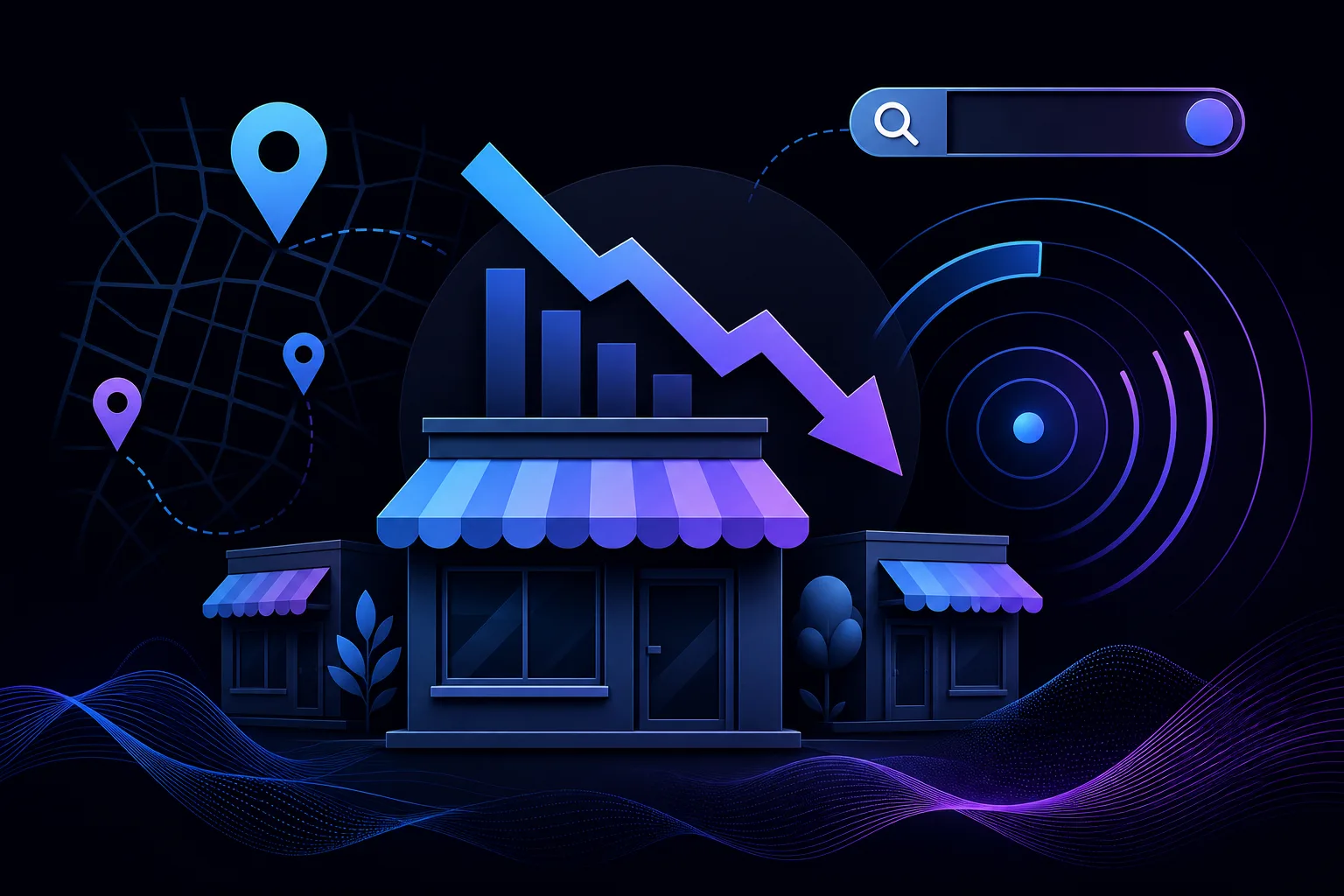
Why High-Intent Visitors Leave Your Site Without Contacting You
Your analytics show real visitors who searched exactly what you sell, but they're not calling or filling out forms. This is a friction problem, not a traffic problem. Here's how to diagnose it.

TL;DR: High-intent visitors leave without contacting you because something between the click and the conversion is broken, slow, confusing, or missing trust signals. It's rarely a traffic problem. Run a quick audit of load speed, phone number visibility, form length, and mobile usability before you spend another dollar on ads or SEO.
What happened
You check your analytics and see it: people searching "emergency plumber near me" or "divorce lawyer West Palm Beach" landing on your site, then leaving in under 20 seconds. No call. No form. No click on your Google Business Profile link. These aren't tire-kickers. They typed a specific, ready-to-buy search, found you, and bailed anyway.
This pattern shows up constantly in local service businesses. A plumber ranks on page one, gets clicks during a burst pipe emergency, and converts almost none of that traffic. Meanwhile a competitor two spots down gets the call. Same search intent, same searcher urgency, completely different outcome. That gap is almost never about who ranks higher. It's about who makes it easiest to act in the next 10 seconds.
Why it matters
Traffic without conversion is an expensive illusion. If you're paying for Google Ads or investing in SEO and your contact rate is low, you're funding a leak, not a pipeline. Worse, a bad first impression on a high-intent visit often means they don't come back. They convert with a competitor and never think about you again.
The cost compounds because high-intent traffic is the most valuable traffic you have. Someone searching "AC repair same day" or "personal injury attorney free consultation" has already decided they need a service, they just haven't decided who provides it. Losing that visitor isn't a missed browser, it's a missed sale that someone else is about to collect.
Tired of reports nobody reads? See how we report

What we don't know yet
Without looking at your specific analytics, heatmaps, and site structure, nobody can tell you the exact cause on your site. A few things stay genuinely uncertain until you test them:
- Whether your drop-off is a speed problem, a trust problem, or a navigation problem (these look similar in aggregate traffic reports but need different fixes)
- Whether mobile and desktop visitors are leaving for the same reason (they usually aren't)
- Whether the issue is your website at all, versus a mismatch between what your ad or listing promises and what the page delivers
- How much of your traffic is actually high-intent versus browsing, since not every visitor from a transactional-sounding keyword is ready to buy that day. Related: why the same keyword sends different customers at different times
Hedge accordingly. Don't rebuild your entire site based on a hunch. Test first.
What to do about it
Run this diagnostic sequence before changing anything:
- Check load speed on mobile. Use a free tool and test your actual landing pages, not your homepage. Anything over 3 seconds is bleeding visitors who have zero patience during an emergency search.
- Put your phone number where a thumb can hit it. Top of the page, clickable, visible without scrolling. If someone has to hunt for your number on a cracked phone screen while their basement floods, they're calling someone else.
- Count your form fields. If your contact form asks for more than name, phone, and a one-line description, you're asking too much too soon. Save the details for the phone call.
- Check for a trust gap. No reviews visible, no photos, no clear service area, no pricing hints. High-intent visitors are comparing you against competitors in other tabs. Give them a reason to stop looking.
- Match the message to the search. If your ad or listing says "24/7 emergency service" and your landing page talks about your company history, that's a mismatch. Lead with what they searched for.
- Test on an actual phone, not just your laptop. Most high-intent local searches happen on mobile. If you haven't tested your own site one-handed while distracted, you're guessing.
If you run through this list and something's clearly broken, fix it yourself, it's usually fast. If everything looks fine on the surface but conversions are still weak, that's when it's worth getting outside eyes on it. A free AI readiness audit can flag structural and visibility issues you won't catch by eyeballing your own site. For a deeper look at what's actually costing you conversions, contact SmartAleck or check client case studies to see what fixing this kind of leak looks like in practice.
One-line takeaway: Ranking gets them to the door. Everything after that is on your website.
Tired of reports nobody reads?
SmartAleck sends clients a monthly report a human actually understands: what moved, why, and what we're doing next.
Frequently asked questions
How do I know if my traffic is actually high-intent?
Look at the search terms or referral source driving the visit. Searches with words like "near me," "emergency," "cost," or a specific service name indicate someone ready to act, not just researching. Cross-check this against time on page and bounce rate to see if behavior matches the intent.
Is a high bounce rate always a bad sign?
Not always. A visitor who finds your phone number instantly and calls without clicking further can still register as a bounce. Pair bounce rate with call tracking or form submissions before assuming the page failed.
Should I fix my website or my Google Business Profile first?
Fix whichever one gets more of your high-intent traffic first. For many local businesses that's the Google Business Profile, since mobile searchers often call directly from the map listing without ever visiting the website.